

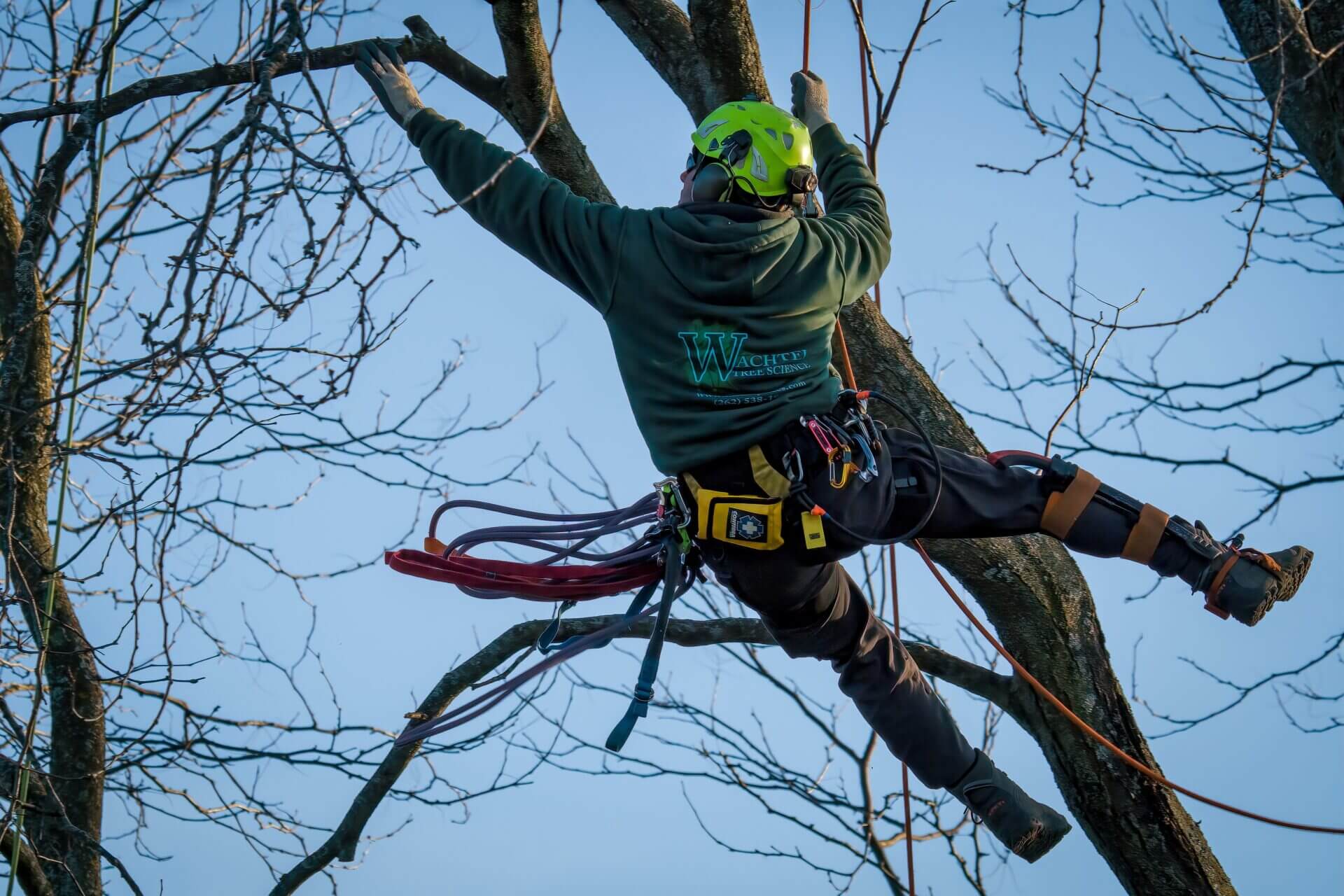
What does a tree arborist actually do?
A tree arborist inspects trees, diagnoses problems, and recommends practical action. They may prune, remove deadwood, reduce a canopy, or plan longer-term care to prevent failures and improve health.
Their work typically includes climbing and rigging, using specialist cutting techniques, and making decisions that balance safety, tree biology, and the surrounding environment.
How is an arborist different from a tree surgeon or gardener?
In everyday use, “tree surgeon” and “tree arborist” often overlap. The key difference is that an arborist is specifically trained in tree biology, risk assessment, and best practice tree management, not just cutting.
A gardener may do light pruning, but they are rarely equipped to assess structural defects, decay, or legal constraints. An arborist should be able to explain why a cut is needed, not only how to make it.
What problems can an arborist spot that others might miss?
They can identify issues like decay inside the trunk, weak branch unions, root plate instability, pest and disease symptoms, and signs of stress from soil compaction or poor drainage. Many of these problems are not obvious from a quick glance.
They also look at targets and consequences: a cracked limb over a driveway matters more than the same defect over an empty field.
When should someone hire an arborist?
They should hire an arborist when there is a safety concern, visible decline, storm damage, or a need for significant pruning or removal. If a tree is near a house, road, neighbour’s property, or power lines, professional assessment is usually the sensible first step.
They are also valuable before building work, extensions, driveways, or landscaping that could damage roots and destabilise trees later.
What are the warning signs a tree might be dangerous?
Common red flags include large dead branches, splits or cracks in the trunk, fungi growing at the base, sudden leaning, lifting soil around the roots, and cavities that appear to be expanding. Excessive deadwood and thinning foliage during the growing season can also point to stress or decline.
If any of these are present, an arborist can assess risk and prioritise action, rather than guessing.
What services might an arborist recommend for a tree?
They might recommend crown thinning to reduce sail effect, crown reduction to manage size, deadwooding to remove hazardous branches, or formative pruning for young trees to prevent future issues. In some cases, they may install bracing systems to support weak unions.
If a tree is beyond saving or poses an unacceptable risk, they may recommend removal and, where appropriate, replanting advice.
Do they handle emergency call-outs after storms?
Many arborists do. After high winds, trees can fail in ways that are not safe for a homeowner to approach, especially where limbs are hung up, partially broken, or tangled with other branches.
An arborist can make the site safe, remove hazards in stages, and advise whether the tree can recover or if further work is needed.
Can an arborist help with tree preservation orders and permissions?
Yes, and this is often overlooked. If a tree is protected by a Tree Preservation Order (TPO) or sits in a conservation area, certain works may require consent from the local authority.
An arborist can help identify protections, suggest compliant specifications, and provide written information to support an application. This reduces the risk of doing unauthorised work that could lead to fines or disputes.
What should someone check before hiring an arborist?
They should check training, insurance, and clarity of scope. At a minimum, they should look for public liability cover and evidence that the team is qualified to use chainsaws and work at height.
They should also expect a clear written quote describing what will be done, what will be removed from site, and whether permissions are required. A good arborist explains options and trade-offs instead of pushing the biggest job.
How much does hiring an arborist typically cost in the UK?
Costs vary based on access, size, risk, and complexity. A small pruning job might be a few hundred pounds, while large removals with rigging, traffic management, or restricted access can be significantly more.
The best comparison is not only price. It is whether the quote includes waste removal, stump treatment if needed, and a plan that achieves the goal without unnecessary cutting.
What happens during a typical arborist visit?
They usually start with a visual inspection and questions about the tree’s history, recent changes, and concerns. Then they assess the canopy, trunk, and base, plus nearby structures and potential targets.
They should provide a recommendation that matches the situation, from “monitor it” through to specific pruning, or removal with reasons. If the work is urgent, they will explain why and what risks exist in the meantime. Click here to learn more about Tree Removal Sydney Cost Breakdown: Labour, Equipment And Access.
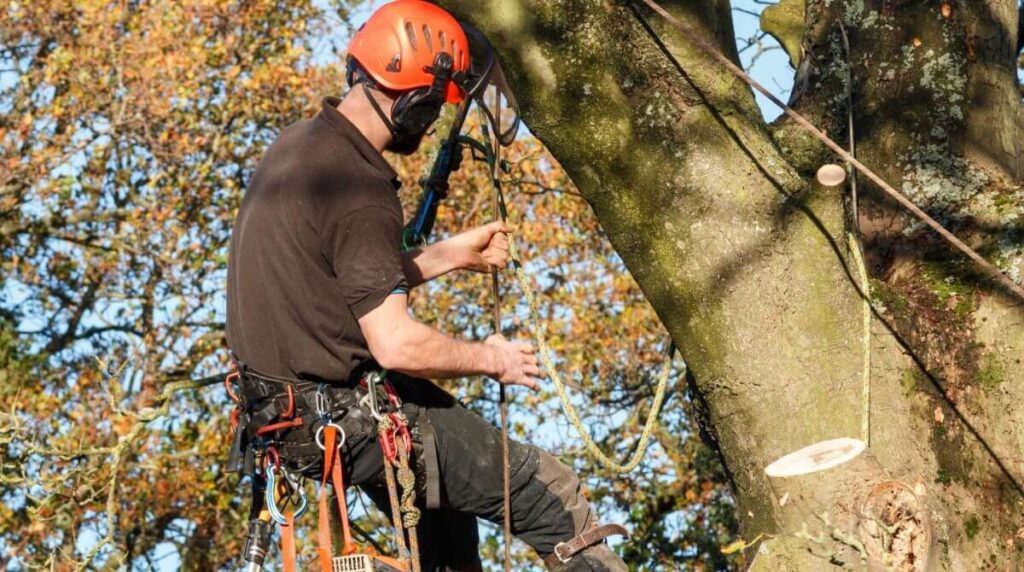
When is it better to monitor a tree rather than do work?
If the tree is healthy, defects are minor, or the risk is low, monitoring can be the best outcome. Not every issue needs cutting, and excessive pruning can create new problems, including stress, decay entry points, and poor regrowth.
An arborist may recommend periodic inspections, especially for mature trees near buildings, rather than routine pruning “just because”.
What is the main takeaway when deciding whether to hire an arborist?
They should hire an arborist when a tree’s health, safety, or legal status is uncertain, or when the work is beyond light garden pruning. The goal is not simply to cut branches, but to make informed decisions that protect people, property, and the long-term condition of the tree.
When done well, arborist input saves money and trouble later, because it prevents avoidable damage, disputes, and emergency call-outs.
FAQs (Frequently Asked Questions)
What is the role of a tree arborist?
A tree arborist is a trained professional who inspects, diagnoses, and manages trees to keep them safe, healthy, and suitable for their environment. They perform tasks such as pruning, removing deadwood, reducing canopy size, and planning long-term care to prevent failures and improve tree health.
How does an arborist differ from a tree surgeon or gardener?
While ‘tree surgeon’ and ‘arborist’ are often used interchangeably, an arborist has specific training in tree biology, risk assessment, and best practice management beyond just cutting. Gardeners may do light pruning but typically lack the expertise to assess structural defects, decay, or legal constraints that an arborist can identify and explain.
When should I hire an arborist for my trees?
You should consider hiring an arborist if there are safety concerns, visible decline, storm damage, or a need for significant pruning or removal. Also seek professional assessment if trees are near houses, roads, neighbours’ properties, power lines, or before construction work that might affect roots or stability.
What warning signs indicate a tree might be dangerous?
Common red flags include large dead branches, splits or cracks in the trunk, fungi at the base, sudden leaning, lifting soil around roots, expanding cavities, excessive deadwood, and thinning foliage during the growing season. These signs warrant an arborist’s assessment to prioritise action.
Can an arborist assist with Tree Preservation Orders (TPOs) and permissions?
Yes. Arborists can identify if a tree is protected by TPOs or located in conservation areas where certain works require local authority consent. They help prepare compliant specifications and provide documentation to support applications, reducing risks of unauthorised work and potential fines.
What should I check before hiring an arborist?
Ensure the arborist has proper training and insurance including public liability cover. Verify qualifications for chainsaw use and working at height. Expect a clear written quote detailing the scope of work, waste removal plans, and any required permissions. A reputable arborist explains options transparently without pushing unnecessary work.