

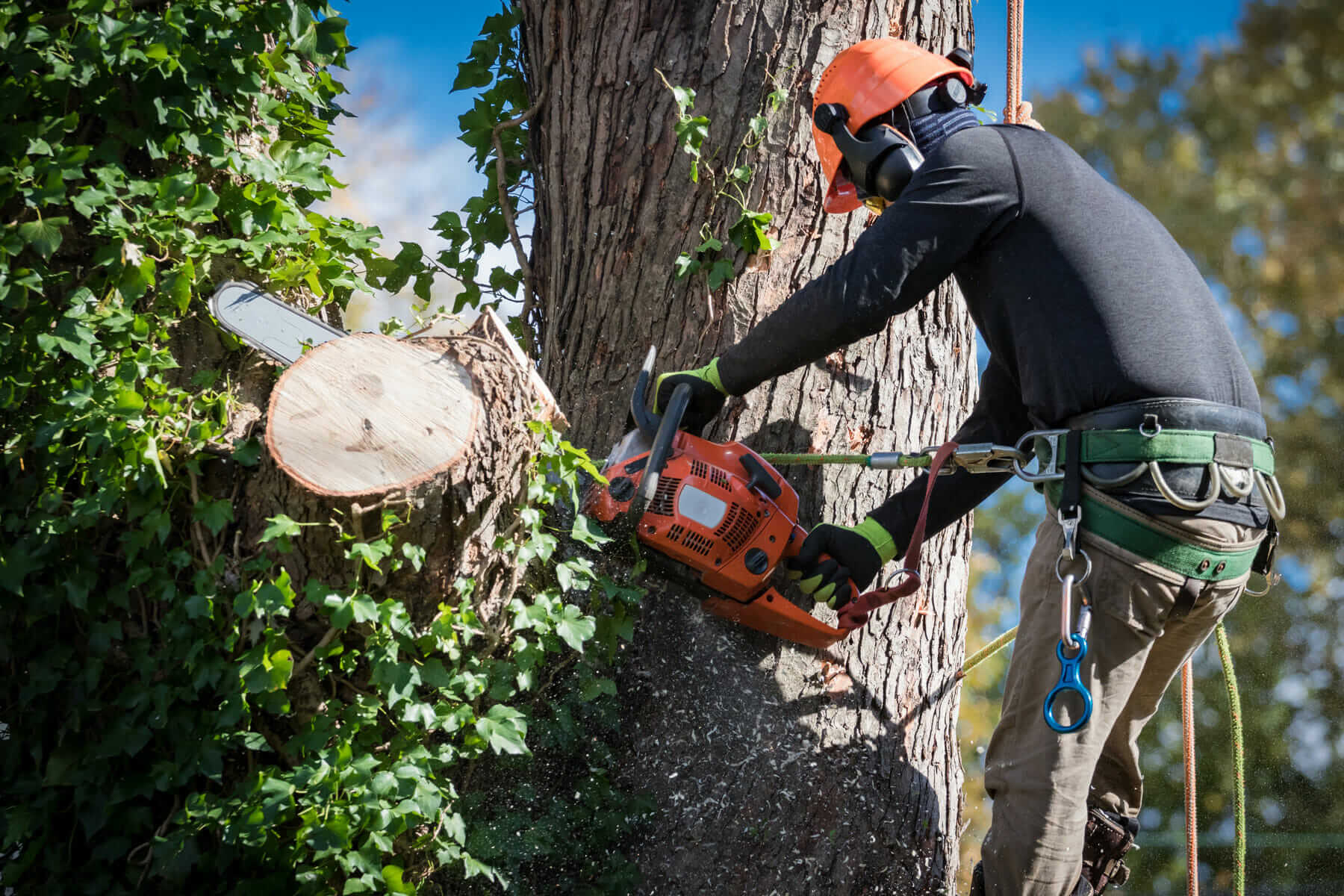
This breakdown explains what clients are really paying for, and why two “similar” trees can come with very different quotes.
What does tree removal usually cost in Sydney?
The tree removal Sydney cost is usually determined after a site inspection, with quotes priced as a package rather than a simple per-metre rate. A small tree in an open garden is typically far cheaper than a medium tree over a roofline or a large tree requiring cranes or traffic control.
Pricing usually covers planning, safe removal, and clean-up, with optional extras like stump grinding, timber removal, or log splitting.
What labour is included in a tree removal quote?
Labour is often the largest line item because tree removal is skilled, high-risk work that requires coordination. A typical crew may include a lead arborist, one or more climbers, and ground staff handling ropes, lowering lines, debris management, and machinery.
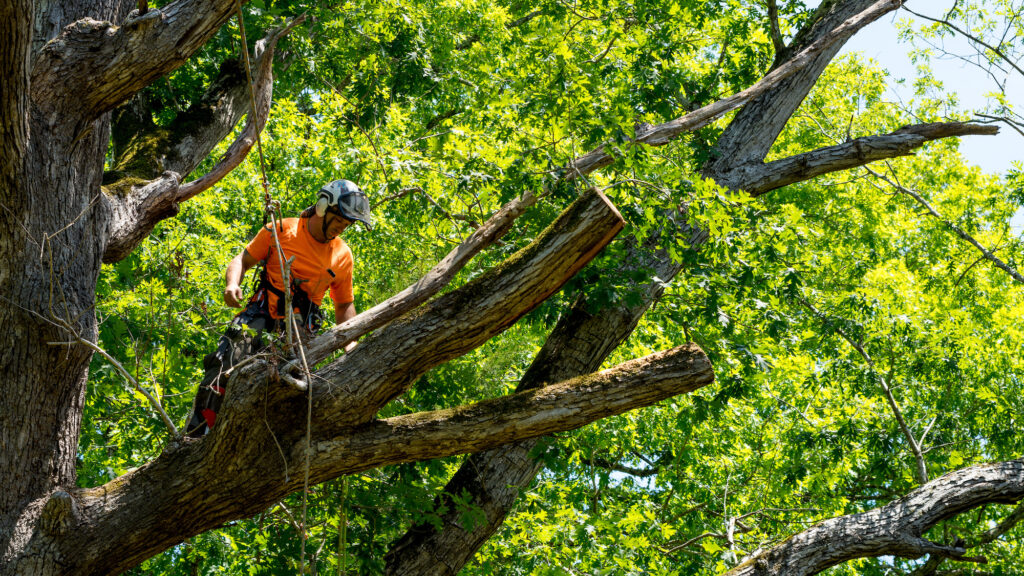
Labour costs change with complexity. If they must climb and rig down limbs in small pieces to avoid damage, it takes longer, needs more staff, and increases the quote.
How does tree size and complexity change labour time?
Larger trees take longer, but “complexity” matters just as much as height or trunk width. A tree with multiple heavy leaders, dense canopy, deadwood, or unstable structure can require slower, more cautious dismantling.
If the job involves precision lowering over fences, pools, pergolas, or neighbouring structures, they will spend more time on rigging, repositioning, and controlled drops, which pushes labour time up quickly.
What equipment costs are clients actually paying for?
Equipment charges reflect what is required to do the job safely, efficiently, and within site limits. That can include chainsaws, rigging kits, lowering devices, wood chippers, stump grinders, and elevated work platforms.
Some equipment is “standard” and effectively built into the quote. Other gear, like cranes, EWPs, or specialised rigging for tight removals, may add a noticeable uplift because of hire fees, operator costs, and set-up time.
When do they need a crane or elevated work platform, and what does that do to cost?
Cranes or EWPs are commonly used when climbing is unsafe or inefficient, such as with storm-damaged trees, significant decay, extreme lean, or trees positioned directly over buildings. They can also reduce risk and time on complex removals, but the hire and operator can raise the job cost substantially.
They may also need extra space for set-up, and that ties into access and street logistics, which can introduce additional charges.
How does access affect the price of tree removal?
Access is a major cost lever because it dictates how they move people, machines, and debris. If a truck and chipper can park close to the tree, removal is faster and cheaper. If access is through a narrow side gate, steep driveway, or multiple levels, they may need to carry material by hand, use smaller machinery, or make extra trips.
Limited access also slows down clean-up and increases fatigue risk, so they often add labour or allow more time.
Why do tight sites, neighbours, and overhead services increase costs?
Tight boundaries and nearby assets force careful dismantling. If branches overhang a neighbour’s garden, roof, or power lines, they usually cannot drop material freely and must rig everything down in controlled sections.
Overhead services can introduce extra coordination and exclusion zones. Even if they do not directly involve the utility provider, the presence of lines increases risk and can require slower methods, additional spotters, and stricter safety controls.
Other Resources : Choosing and using a site
What role does waste removal and clean-up play in the final quote?
Disposal is not just a “nice to have”; it is time, labour, and transport. Chipping and green waste removal can be a significant part of a job, especially for leafy species or multi-stem trees that produce a lot of volume.
Some clients choose to keep logs for firewood or mulch on-site, which can reduce disposal costs. Others request full removal, which can require extra truck loads, tip fees, and more time on site.
Is stump grinding included, and how does it change the price?
Stump grinding is often priced separately because it uses different equipment and depends on stump size, root flare, and ground conditions. If the stump is near paving, retaining walls, or services, they may need to grind more carefully and remove spoil, which adds time.
If they do not grind, the stump remains and may limit future landscaping or create regrowth issues depending on species, so many quotes list it as an optional add-on.
Do permits, council rules, or arborist reports add to the cost?
They can, depending on the location, species, and any tree preservation controls. Where approvals are needed, costs may include arborist inspections, written reports, or time spent helping clients understand compliance steps.
Even when no formal permit is required, reputable operators still factor in compliance, risk assessment, and safe work procedures, which influence the overall price.
How can clients compare quotes without choosing the wrong contractor?
They should compare scope, not just the total figure. A cheaper quote may exclude key items like stump grinding, waste removal, traffic management, or full site clean-up, which can lead to extra charges later.
They should look for clear detail on what they are getting: the method of removal, equipment to be used, what happens to debris, whether the site will be left clean, and what is excluded. They should also confirm insurance and qualifications, because tree removal is one area where cutting corners can become expensive fast.
What’s a sensible way to think about the final cost?
A practical way to view pricing is that clients are paying for safe problem-solving. Labour reflects skill and time, equipment reflects what is needed to reduce risk and increase efficiency, and access reflects how hard it is to execute the job without damage.
When a quote is higher than expected, it is often because the tree cannot simply be felled. If they must dismantle it piece by piece with rigging, manage hazards, and remove waste through a difficult site, the cost rises for good reason.
More to Read : What Does A Tree Arborist Do And When Should You Hire One
FAQs (Frequently Asked Questions)
What factors influence the cost of tree removal in Sydney?
Tree removal costs in Sydney vary widely due to factors like risk, time, site constraints, labour requirements, equipment needs, and how accessible the tree is for safe dismantling. Larger or more complex trees requiring specialised equipment or difficult access generally cost more.
What does a typical tree removal quote include in Sydney?
Most tree removal quotes in Sydney are based on a site inspection and offered as a package covering planning, safe removal, and clean-up. Optional extras such as stump grinding, timber removal, or log splitting may be priced separately.
How do labour and equipment affect the price of tree removal?
Labour is often the largest cost due to the skilled, high-risk nature of tree removal involving arborists, climbers, and ground staff. Equipment costs depend on what’s necessary for safety and efficiency—from chainsaws and rigging kits to cranes or elevated work platforms—which can add significant hire and operator fees.
Why does site access impact tree removal pricing?
Access influences how easily workers can move people, machinery, and debris. Close parking for trucks and chippers lowers costs by speeding up work. Difficult access through narrow gates or steep driveways requires manual carrying or smaller machinery, increasing labour time and overall expense.
When is a crane or elevated work platform needed for tree removal?
Cranes or EWPs are used when climbing is unsafe or inefficient—such as with storm-damaged trees, decayed trunks, extreme lean, or trees over buildings. While they reduce risk and time on complex removals, their hire fees, operator costs, and set-up requirements substantially raise the job price.
How do neighbours, overhead services, and tight sites affect tree removal costs?
Tight boundaries and nearby assets require careful dismantling with controlled lowering of branches to avoid damage. Overhead power lines increase risk necessitating extra spotters and safety measures. These complexities slow down work and increase labour costs due to added precautions.