

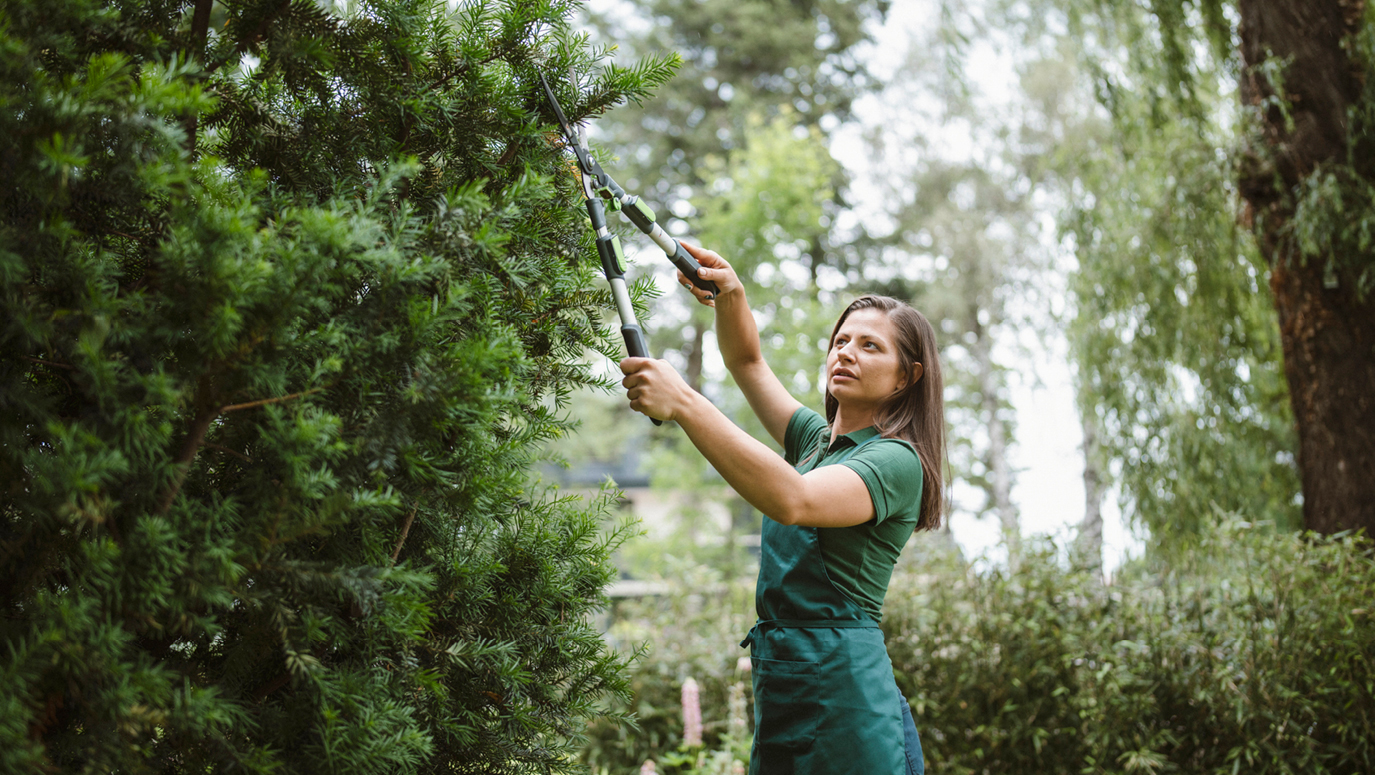
The gap between professional tree removal and an ambitious weekend project is not equipment, it is process. A qualified crew treats a tree as a structure to be dismantled in a planned order, with each stage assessed before the next begins. That planning is invisible in the finished result, which is exactly why people underestimate it. What you are paying for is not the two hours of cutting but the accumulated judgement that determines where each piece lands and what happens if the tree does not behave the way it looked from the ground.
Tree work sits consistently near the top of Australian injury statistics, and regulator warnings about recent tree work incidents explain why. The hazards stack: height, cutting tools, unpredictable loads, and electricity, often all at once. Add a suburban block where the margin for error is a metre in any direction, and the value of professional tree removal becomes obvious. Domestic chainsaw injuries and ladder falls fill emergency departments every summer, and most of them happen during jobs that looked straightforward when the homeowner started.
Assessment Before Anything Is Cut
A proper job starts with inspection, not a quote over the phone. The arborist checks trunk condition and decay, evaluates unions and included bark, looks at root plate stability and any recent excavation nearby, reads lean and weight distribution, and maps everything inside the potential fall zone. Overhead and underground services are identified. Access is measured, since machinery that cannot reach the tree changes the method entirely. Only then can a removal strategy and an accurate price be produced. Anyone quoting a removal sight unseen is guessing, and the guess gets corrected on your property.
Method Selection and Risk Control
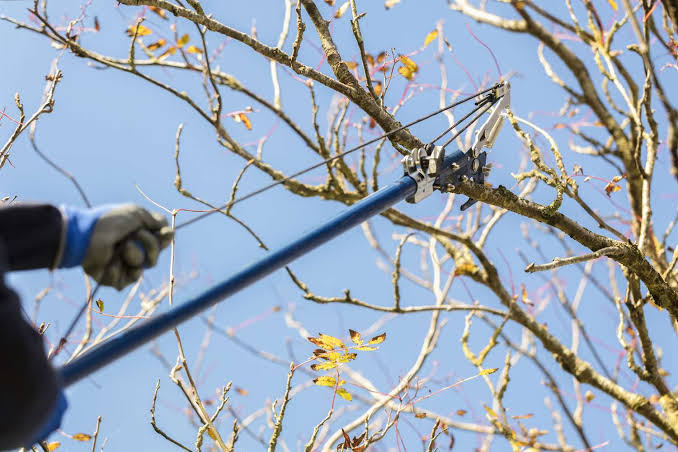
The method follows the assessment. Straight felling requires a clear drop zone and precise hinge work. Sectional dismantling suits confined sites and demands rigging competence, because lowering heavy sections generates shock loads that poorly chosen anchors will not survive. Crane removal is used where the tree removals overhangs something that cannot be risked. Every option carries a different risk profile, and part of the professional’s job is explaining that trade-off in plain terms so you understand why one quote costs twice another.
- On-site assessment covering structure, roots, services, and access
- Documented safe work method statement for the specific site
- Rated rigging with inspected hardware and planned anchor points
- Exclusion zones and ground protection before cutting begins
- Full debris clearance, stump treatment, and site restoration
Warning Signs Worth Acting On
Homeowners do not need to diagnose trees, but recognising the obvious signals is worth a great deal. Fungal brackets at the base or on major limbs often indicate internal decay. Fresh cracks in the trunk, or bark splitting along a union, suggest structural movement. Soil lifting or cracking on one side of the trunk points to root plate failure and is the one sign that warrants an urgent call rather than a scheduled inspection. Dead limbs held in the canopy, sudden leaning after heavy rain, and canopy thinning that appears over a single season all justify an assessment. Catching any of these early usually means a targeted intervention rather than a full removal.
The Standards Behind the Work
Quality outfits work to published frameworks rather than habit. Recognised safe work practices cover pre-work tree inspection, powerline clearances, working at height controls, chainsaw and chipper operation, and emergency procedures including aerial rescue. Practically, that means a briefing before work starts, a nominated ground worker watching the climber, agreed hand signals, and a rescue plan if someone is injured aloft. Ask to see a safe work method statement. Genuine professional tree removal businesses produce one for every job and will hand it over without fuss.
Considering Alternatives First
A good arborist will sometimes talk you out of removal, which is the clearest signal you have hired the right one. Deadwooding removes the actual hazard while keeping the tree. Crown reduction cuts the lever arm on overextended limbs. Cabling and bracing can support a weak union for years. Root barriers redirect growth away from paving and pipes. Removal is permanent and expensive, and a mature tree contributes shade, cooling, screening, and measurable property value. Get a second opinion before removing a healthy mature specimen, particularly if the recommendation came from whoever is quoting the job.
What It Costs and What Drives the Price
Height and canopy spread set the baseline, then access does the real work on the final figure. Restricted rear-yard access, proximity to structures, hardwood timber, crane requirements, and disposal volume all push the number up. Multiple trees in one visit push it down, since mobilisation is a fixed cost. Beware the outlier low quote: it usually means the operator has underestimated access, carries no insurance, or intends to leave the stump and half the debris behind. Confirm inclusions line by line and the spread between quotes usually makes sense. Where one price sits far below the rest, ask that contractor directly how they intend to get the tree down, then compare the answer against the others.Tree Removal
What to Expect on the Day
A well-run job has a rhythm. The crew arrives, walks the site, confirms the plan, and sets up protection and exclusion zones. Cutting proceeds in stages with the ground team clearing as they go. You should be told where not to stand and asked to keep pets and children inside. At the end, the site is raked, the driveway swept, and any agreed stump work either completed or scheduled. Quality professional tree removal is unremarkable to watch, and that lack of drama is the whole product. Expect the crew to walk the site with you at the end, point out anything they noticed on neighbouring trees, and flag work worth scheduling later rather than selling it to you on the spot. That final conversation is often the most valuable ten minutes of the job.