

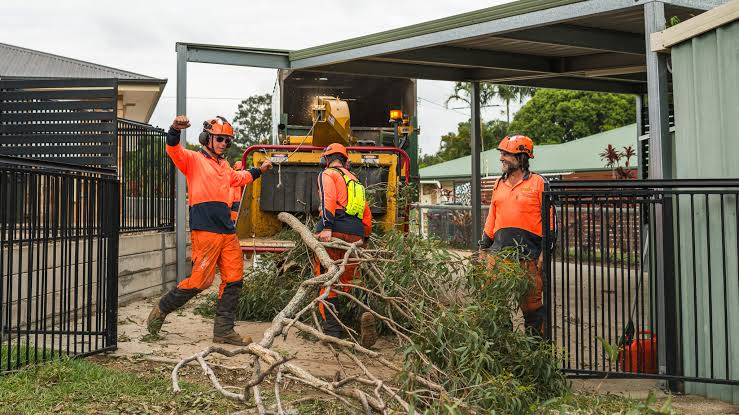
Searching for tree services near me is usually the first step homeowners take when a tree starts dropping limbs, leaning toward a fence line, or simply outgrowing the space it was planted in. The advantage of hiring locally goes well beyond a shorter drive. A crew based in your suburb has already worked on properties built the same decade as yours, dealt with the same council, and pruned the same species growing along your street. That accumulated familiarity shows up in faster quotes, more accurate hazard assessments, and fewer surprises on the day the truck arrives.
Quality operators offering tree services near me carry current arborist qualifications, public liability cover, and a working knowledge of the tree protection rules that apply in your area. They can tell you within minutes whether a job needs a council permit or whether the tree falls under an exemption. They also understand seasonal timing, which matters more than most people expect. The same pruning cut that helps a tree in July can invite disease in January. Local experience turns that kind of knowledge into practical scheduling advice rather than guesswork.
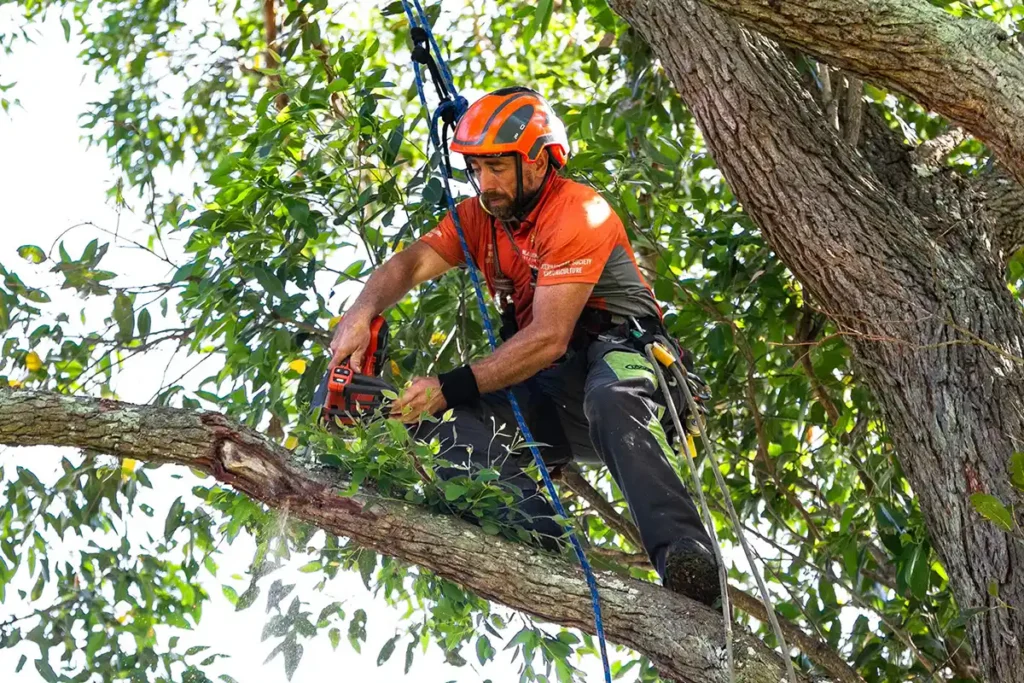
What Local Tree Services Near Me Actually Cover
Most established providers handle a fairly wide brief. Removal sits at the top of the list, covering everything from hazard assessment and traffic management through to felling, chipping, and a broom-clean finish. Pruning and crown work make up the bulk of ongoing maintenance, keeping canopies clear of roofs, gutters, and power lines. Beyond that, expect stump grinding, root barrier installation, mulch supply, storm damage clean-up, disease diagnosis, pest treatment, and written arborist reports for development applications. Asking for the full service list upfront tells you whether one company can manage your property or whether you will be coordinating several.
Credentials, Insurance, and Why They Matter
Tree work sits among the highest-risk trades in the country, which is exactly why credentials deserve scrutiny. A crew that follows recognised safe work practices plans each job before a saw starts: they inspect the tree, identify failure points, set exclusion zones, and confirm the rigging approach. Certification matters just as much. Arborists who have completed formal arboriculture training understand tree biology, not just cutting, so their recommendations tend to preserve trees other operators would write off. Ask for a certificate number and a current insurance certificate. Reputable companies hand both over without hesitation, and the ones that hesitate have told you what you needed to know.
Emergency Response and Storm Damage
Proximity becomes genuinely valuable during a storm. When a limb comes through a carport at midnight, response time depends almost entirely on how far the crew has to travel and how many jobs sit ahead of yours. Providers offering tree services near me typically run an after-hours line and keep one crew rostered for urgent call-outs, prioritising anything blocking a driveway, resting on a roof, or tangled in service lines. Save two numbers before storm season rather than searching during one. It also pays to ask how emergency rates are structured, since after-hours pricing varies widely between operators.
How to Compare Quotes Without Getting Burned
Three written quotes is the sweet spot. Any fewer and you have no pricing baseline; any more and you stall the job. Make sure each quote describes the same scope, because the cheapest number often excludes the expensive parts. Debris removal, stump grinding, and access protection are the usual omissions. Watch for vague wording like tidy up on completion, and push for specifics. Ask each contractor to nominate a date rather than a rough window, and get any access constraints noted on the quote itself so there is no argument later about what the crew could or could not reach.
- Current arborist certification, with a qualification level you can verify
- Public liability and workers compensation cover, sighted in writing
- Local references from jobs completed within the past twelve months
- An itemised written scope covering debris, stumps, and site protection
- A clear plan for equipment access and protecting lawns, paving, and fences
What Drives the Price Up or Down
Size is only part of the equation. A modest tree wedged between a pool and a neighbour’s garage can cost more than a large one standing in an open paddock, because tight access forces climbing and rigging instead of straightforward felling. Distance to the chipper, proximity to power lines, timber hardness, and disposal volume all shift the final figure. Bundling work helps considerably. If two trees need attention and a third needs a prune, quoting them together almost always beats three separate call-outs, since mobilisation is one of the larger fixed costs in the job. Timing helps too, because rates soften in the quieter months between storm seasons when crews are chasing work rather than triaging emergencies.
Site Safety on the Day
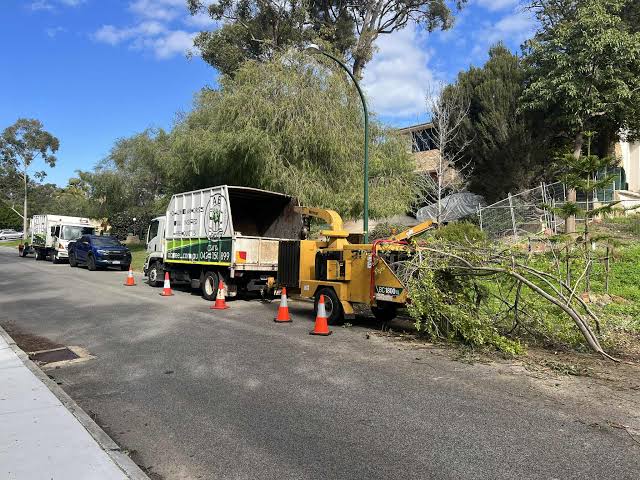
A professional crew arriving at your property should look organised within the first ten minutes. Cones and tape go out, the drop zone gets cleared, helmets and chaps go on, and someone runs a short briefing before anyone climbs. Reviewing published industry safety checklists is a useful reality check for homeowners, because it shows what competent operators check before starting: chainsaw condition, chipper guarding, climbing gear inspection, and overhead line clearances. If a crew skips the setup and goes straight to cutting, you are watching a shortcut, and shortcuts in this trade get expensive fast. Keep children and pets indoors and stay well outside the marked zone.
Building a Long-Term Relationship
The real payoff from finding good tree services near me comes over years, not on a single job. A provider who has worked your property before knows which gum drops limbs in heat, which roots are creeping toward the sewer line, and what was pruned last time. That history turns reactive emergency spending into a planned maintenance rhythm that costs less and preserves more of your canopy. Keep the invoices and any arborist reports in one folder. When you eventually sell, documented professional tree care is a genuine asset during inspections.