

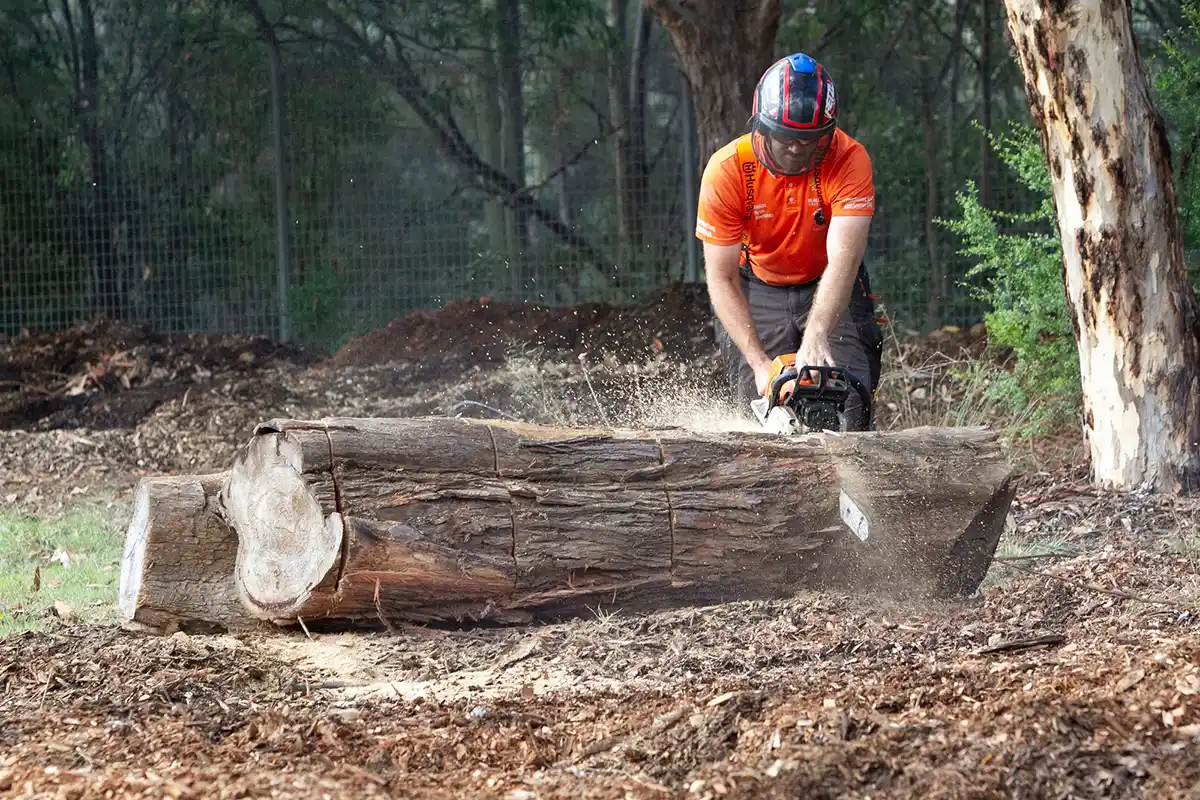
An arborist is not simply a person with a chainsaw and a ladder. The role is closer to that of a tree doctor: diagnosing decline, reading structural defects, and prescribing treatment that keeps a specimen standing safely for another twenty years. A qualified arborist Sydney homeowners engage will look at soil compaction, root zone disturbance, canopy dieback, and past pruning wounds before offering an opinion. That diagnostic layer is what separates genuine arboriculture from a cutting service, and it is usually the difference between saving a mature tree and losing it unnecessarily.
Sydney presents a particular set of conditions. Sandstone soils drain hard and fast in some suburbs while heavy clay holds water in others. Coastal wind loading, salt exposure, established eucalypts sitting close to century-old brickwork, and dense infrastructure all complicate tree management. An arborist Sydney based understands how those local factors interact, which species tolerate hard pruning and which sulk for years afterward, and how far a root plate can be cut before stability is compromised. Generic advice imported from another climate rarely holds up on a Sydney block.
Qualifications That Actually Mean Something
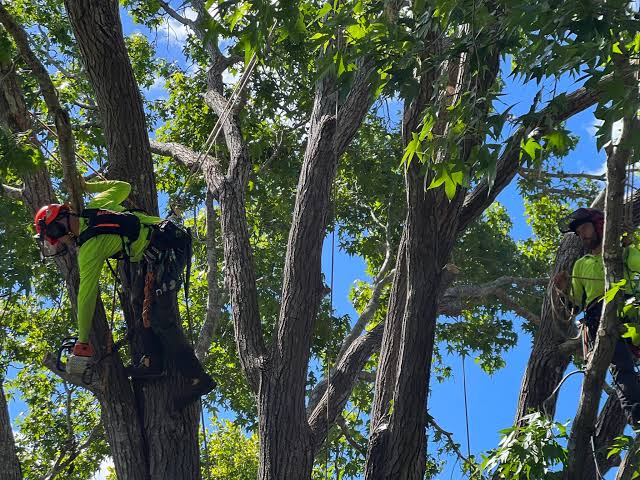
Australian arboriculture uses a tiered qualification system, and the tier matters for what work a person should be doing. Practical climbing and cutting sits at the lower certificate levels, while diagnostic assessment and report writing require higher study. Practitioners who complete formal arboriculture training cover tree biology, soil science, pest and pathogen identification, and risk assessment methodology rather than machinery operation alone. When someone claims to be a consulting arborist, ask which qualification level they hold and whether they carry professional indemnity cover in addition to public liability. Reports written by underqualified operators get rejected by councils regularly.
Tree Health Assessment and Diagnosis
A proper health assessment follows a repeatable process. The arborist inspects the canopy for dieback, epicormic growth, and asymmetry, then works down the trunk checking for cavities, fungal fruiting bodies, included bark, and old wounds that never sealed. The root zone gets attention next: recent excavation, paving encroachment, compaction from vehicles, and drainage changes. Decay is often confirmed with a mallet sounding test or a resistograph where the stakes justify it. The output should be a written finding with a recommendation, not a verbal maybe, because you may need that document for insurance or planning purposes later. Photographs of the defects, a species identification, and a nominated review date are all reasonable inclusions in a competent report.
- Structural inspection covering trunk, unions, and major limbs
- Pest and pathogen identification with treatment options
- Root zone and soil condition evaluation
- Written reports suitable for council or insurance submission
- Preservation plans for trees affected by construction work
Pests, Pathogens and Treatment Options
A large share of an arborist’s work involves diagnosis rather than cutting. Borers, scale, psyllids, and root pathogens all produce symptoms that look similar from the ground, and misreading them wastes money on treatments that cannot work. Fungal brackets at the base often indicate advanced internal decay and change the risk conversation entirely, while thinning in the upper canopy may point to root zone damage from compaction or recent excavation rather than any disease at all. Treatment options range from soil decompaction and mulching through to targeted injection, and a good practitioner will be honest when the realistic answer is monitoring rather than intervention.
Consulting Work for Development and Disputes
Beyond maintenance, consulting is a large part of the profession. Development applications frequently require an arborist impact assessment showing how existing trees will be protected during construction, including fencing lines, permitted excavation limits, and supervision requirements. Neighbour disputes over overhanging limbs and root damage often hinge on an independent report. Pre-purchase inspections are increasingly common too, since a failing tree beside a house is a liability a buyer inherits. In each case, the value is impartiality: a consulting arborist Sydney councils accept reports from has no financial interest in whether the tree comes down.
Preventative Programs Beat Emergency Call-Outs
The cheapest tree work is the work you schedule. Annual or biennial inspections catch deadwood, weak unions, and early pathogen signs while remedial options are still cheap and non-invasive. A maintenance program typically sets a pruning cycle by species and age, flags trees for monitoring, and times any major work for the right season. Compare that to an emergency response after a limb fails: higher rates, property damage, insurance paperwork, and often a full removal that a small intervention years earlier would have prevented entirely.
Safety Standards on Site
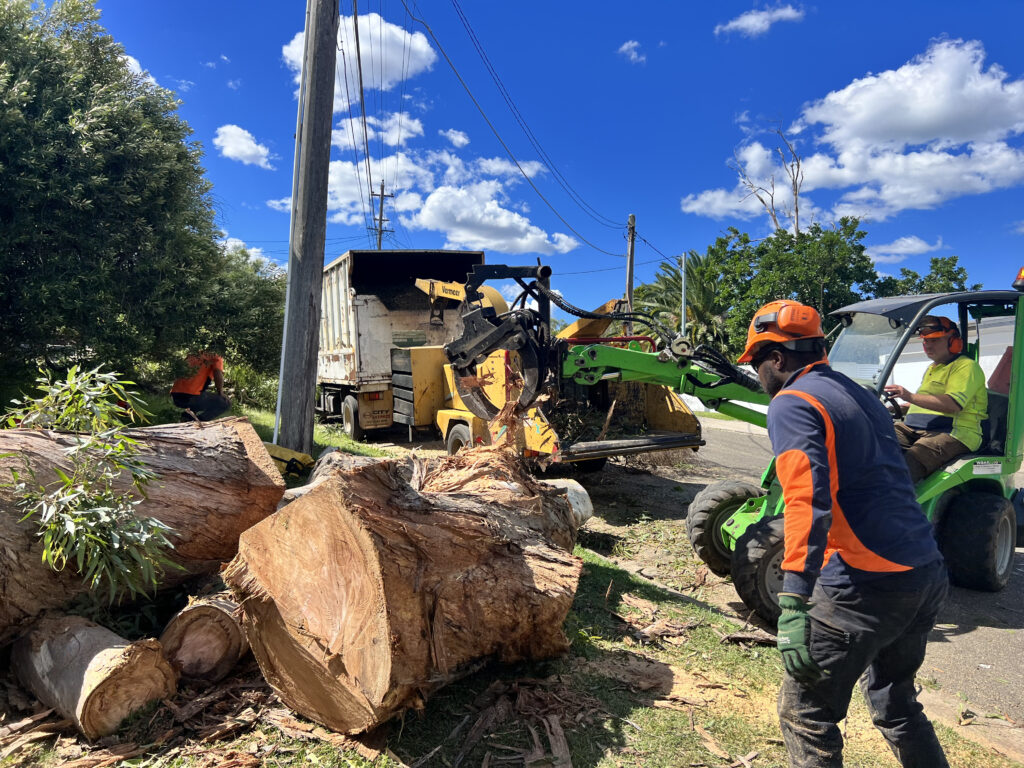
Arboriculture consistently appears among the most dangerous occupations in Australia, and regulators publish data on recent tree work incidents showing falls from height and struck-by injuries as the dominant causes. A competent crew treats that seriously: site-specific risk assessment, exclusion zones, inspected climbing systems, redundant anchor points, and a rescue plan before anyone ascends. As a client you should see that discipline in the first few minutes on site. You can also expect to be asked to move cars, secure pets, and stay clear of the drop zone, which is a good sign rather than an inconvenience.
Choosing the Right Professional
Get two opinions before authorising any removal of a mature tree, particularly if the first recommendation came from the same company quoting the work. A good arborist Sydney residents recommend will explain findings in plain language, show you the defect they are concerned about, and outline alternatives with honest odds attached. Ask for recent local references, check the qualification level, confirm insurance, and pay attention to how they communicate. Trees are long-term assets, and the professional who reads them accurately usually saves you far more than their fee. Be wary of anyone who inspects from the driveway, quotes removal within two minutes, and cannot name the species. Thorough assessment takes time, and the time is the service.